
The house and its history
A medieval tower, two students, a nineteenth-century architect: the story of the corner where our apartments stand, told only with verified facts.
Sources are listed at the end of the page.
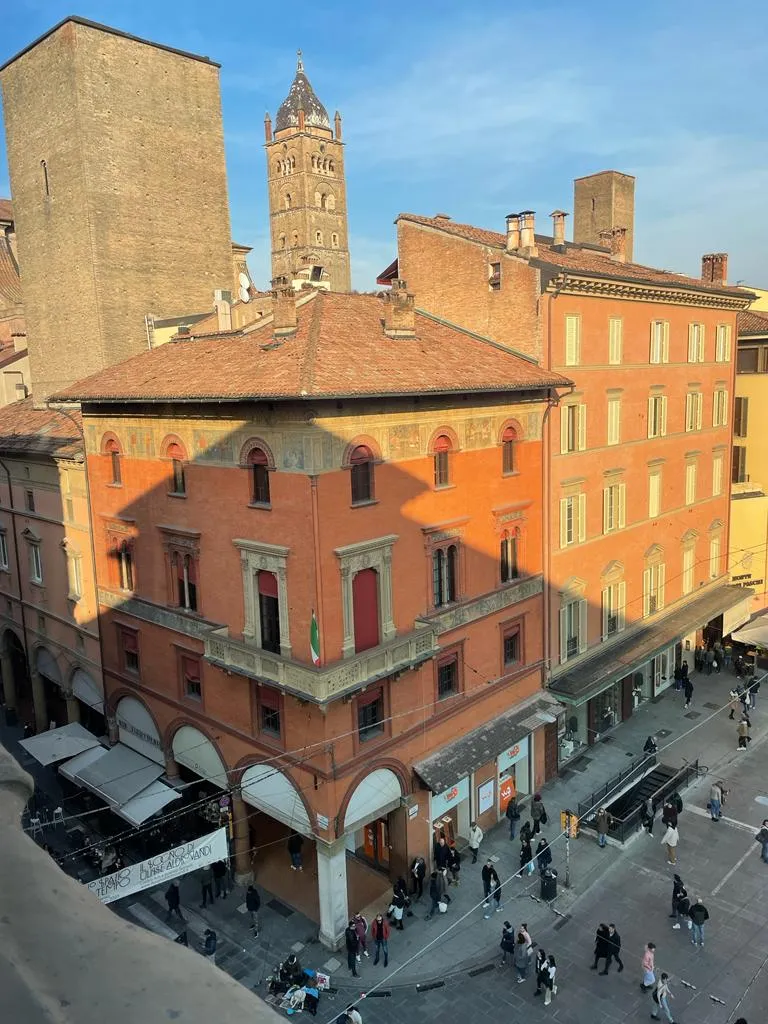
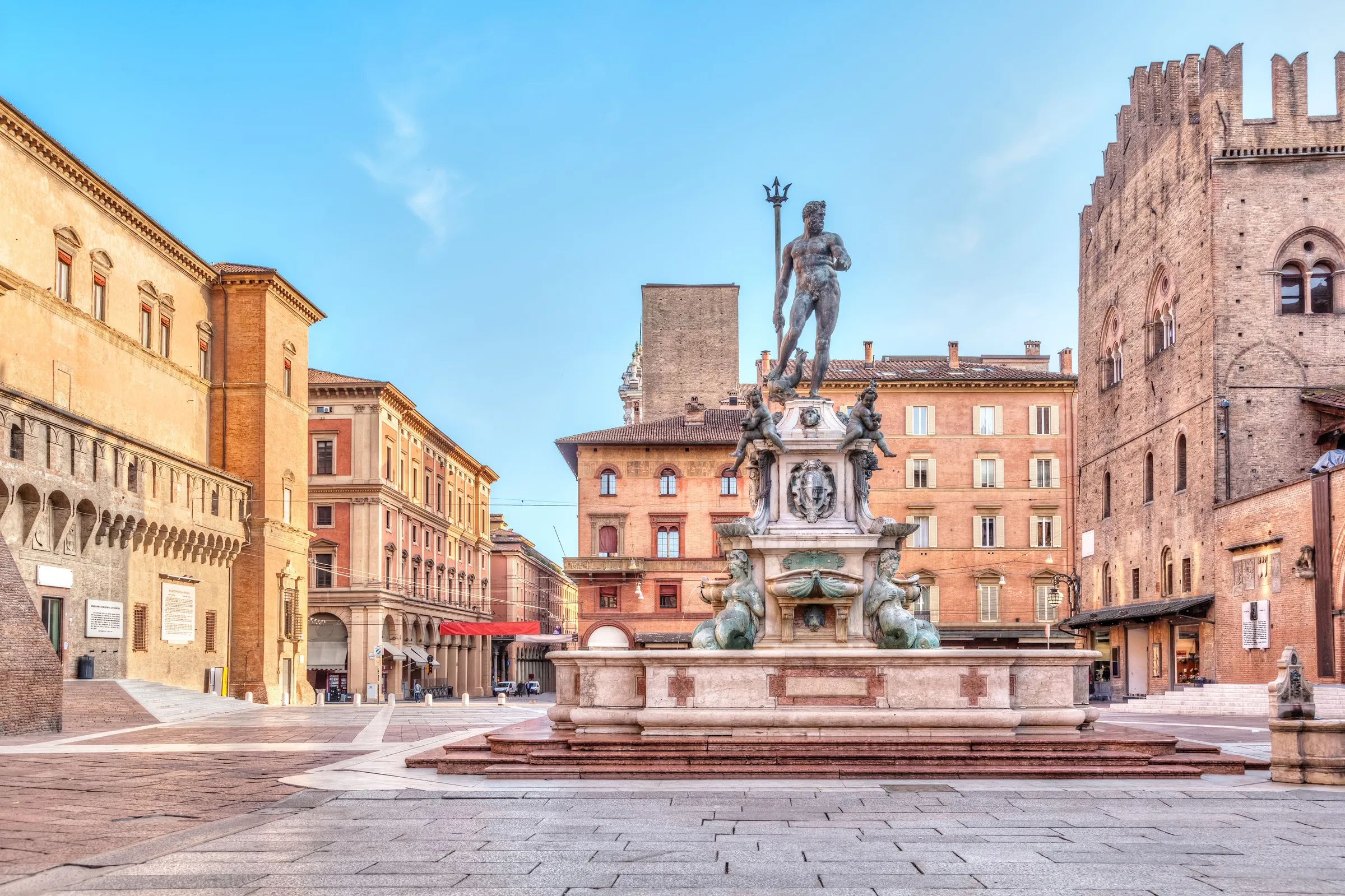
XIIIcentury
The Torre degli Scappi
On the corner rises the Torre degli Scappi, built in the early thirteenth century by the family of the same name and about 39 metres tall: one of the medieval towers still standing in Bologna.
A legend links the family's name to King Enzo: a woman of the Scappi family is said to have recognised him as he fled hidden in a basket, and to have cried out “scappa!” – “run!”. At the foot of the tower, since 1694, is La Coroncina, one of the oldest shops in the city.
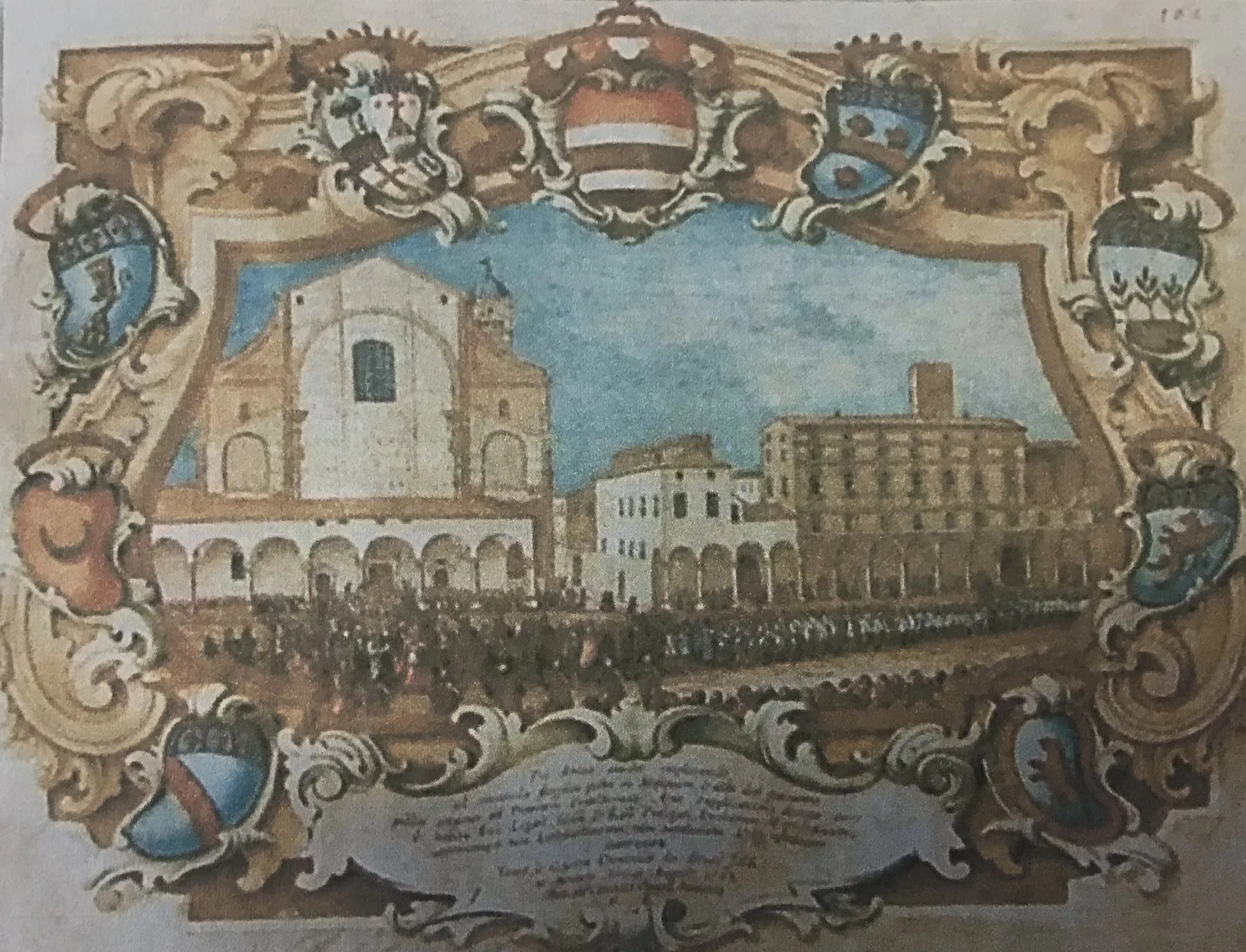
Plate II.The Scappi palace and tower in a miniature of 1743, from the Insignia degli Anziani. 1794
Two students and a conspiracy
In November 1794, in the back room of one of the flower shops of the Canton de' Fiori, two students of the University of Bologna – Luigi Zamboni, a Bolognese, and Giovanni Battista De Rolandis, from Asti – prepared an uprising against the papal government. The revolt, on the night of 13 to 14 November, failed at once.
The conspirators wore cockades that joined the white and red of Bologna with green: a foretaste of the colours that the Cispadane Republic adopted as its flag on 7 January 1797. Zamboni died in prison in 1795; De Rolandis was executed the following year. Today the main street of the university quarter, Via Zamboni, bears his name.
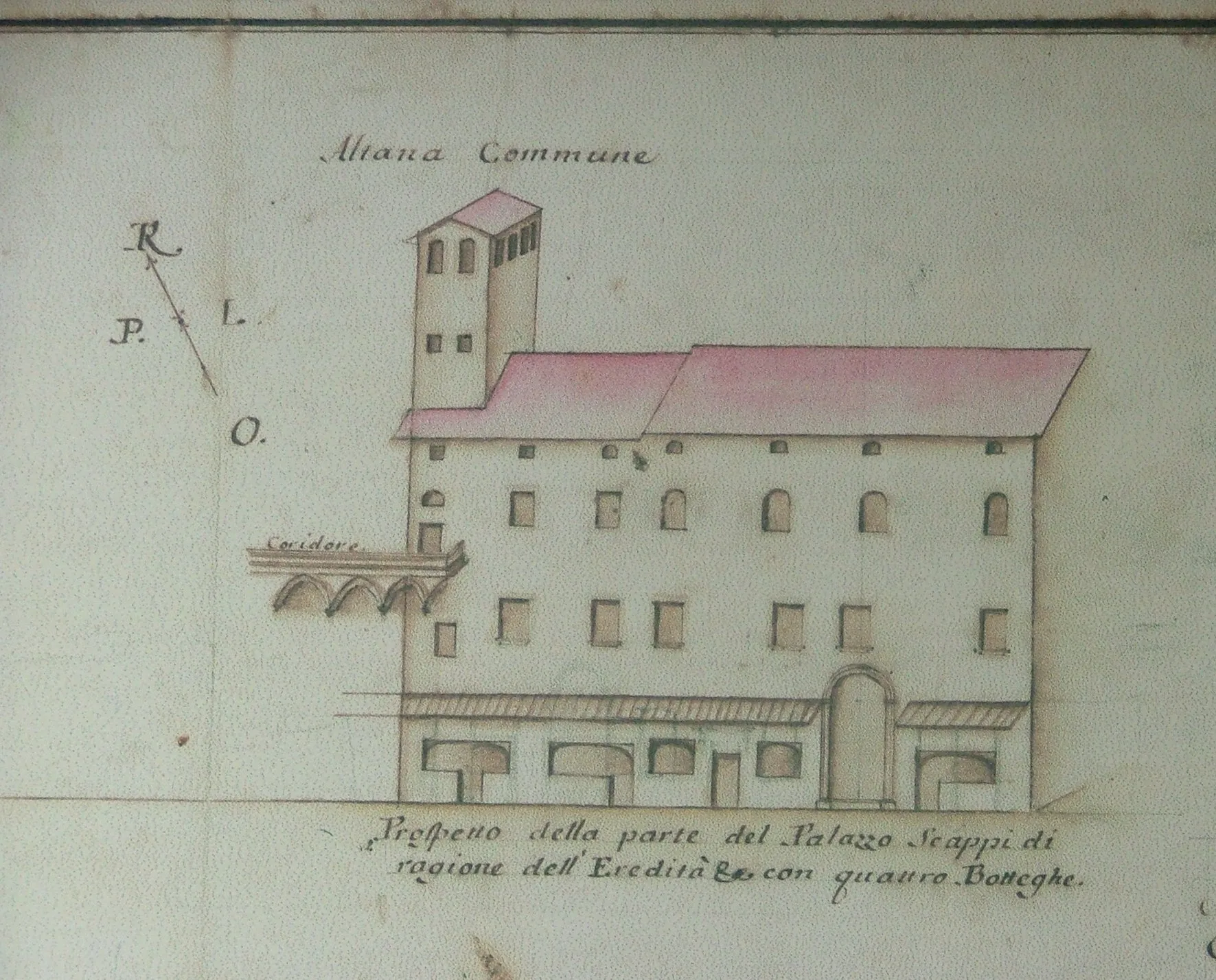
Plate III.“Elevation of the part of Palazzo Scappi […] with four shops”: archive drawing. XIXcentury
The Canton de' Fiori
The name – the “flower corner” – comes from the florists who once sold their flowers on this stretch of street, at the corner of the old Mercato di Mezzo (today Via Rizzoli), a few steps from Piazza del Nettuno. The Canton de' Fiori was a narrow, winding street that led towards the cathedral of San Pietro.
In the second half of the nineteenth century it was widened and became the first stretch of the new Via dell'Indipendenza, which links the heart of the city to the railway station.
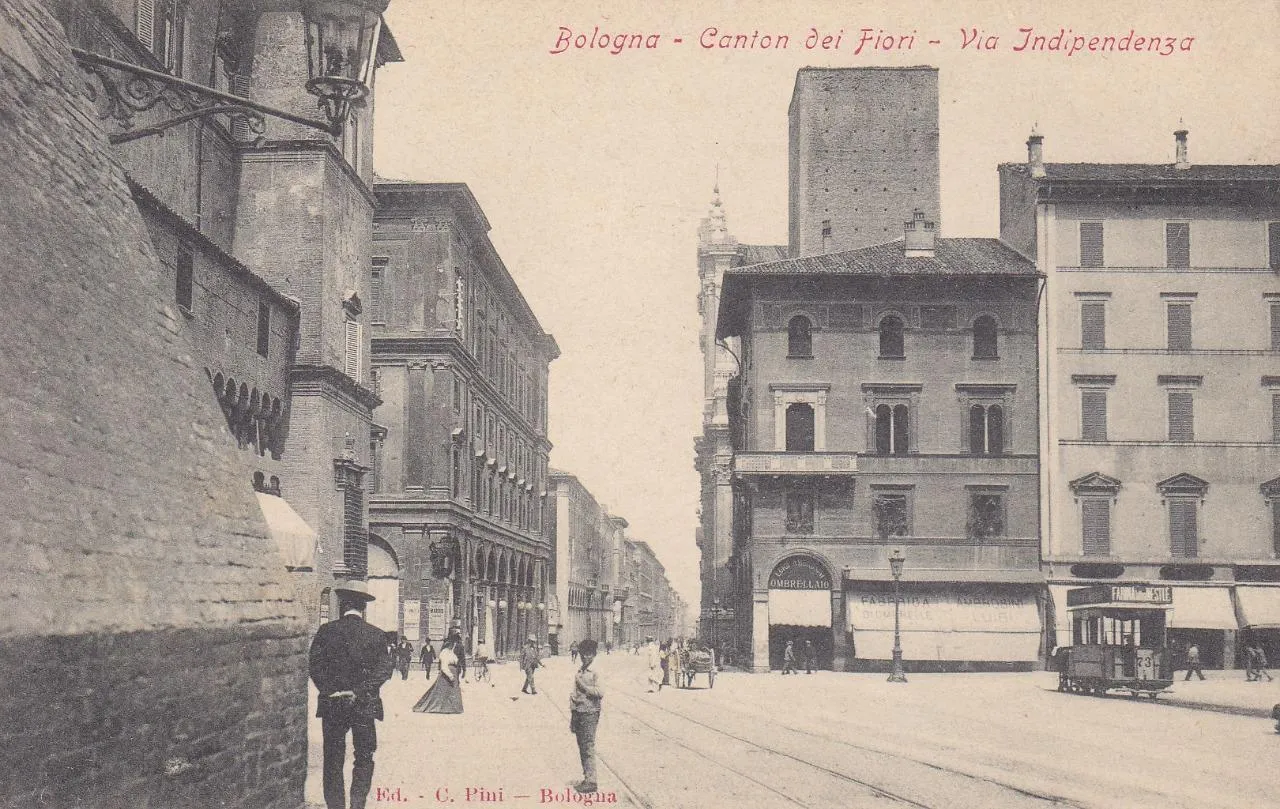
Plate IV.“Bologna – Canton dei Fiori – Via Indipendenza”: period postcard, published by C. Pini. 1892
Casa Stagni
The corner building is Casa Stagni. In 1892 Augusto Sezanne remodelled it above three arches of the original sixteenth-century portico. Sezanne was a painter, decorator and architect; he later designed the Palazzina Majani, a little further along Via dell'Indipendenza.
The flower-and-leaf decoration of the upper floors is by Achille Casanova; beneath the portico the mottoes Panis vita, Vinum laetitia and Canabis protectio still remain. Alfonso Rubbiani called it Bologna's first “picturesque” middle-class residence, and the Italian Ministry of Culture protects it as “one of the most significant examples of Neo-Renaissance eclecticism in the heart of Bologna's historic centre”.
Together with Palazzo and Torre Scappi and Palazzo Stelloni, it forms the complex at Via Rizzoli 4, where our apartments are today.
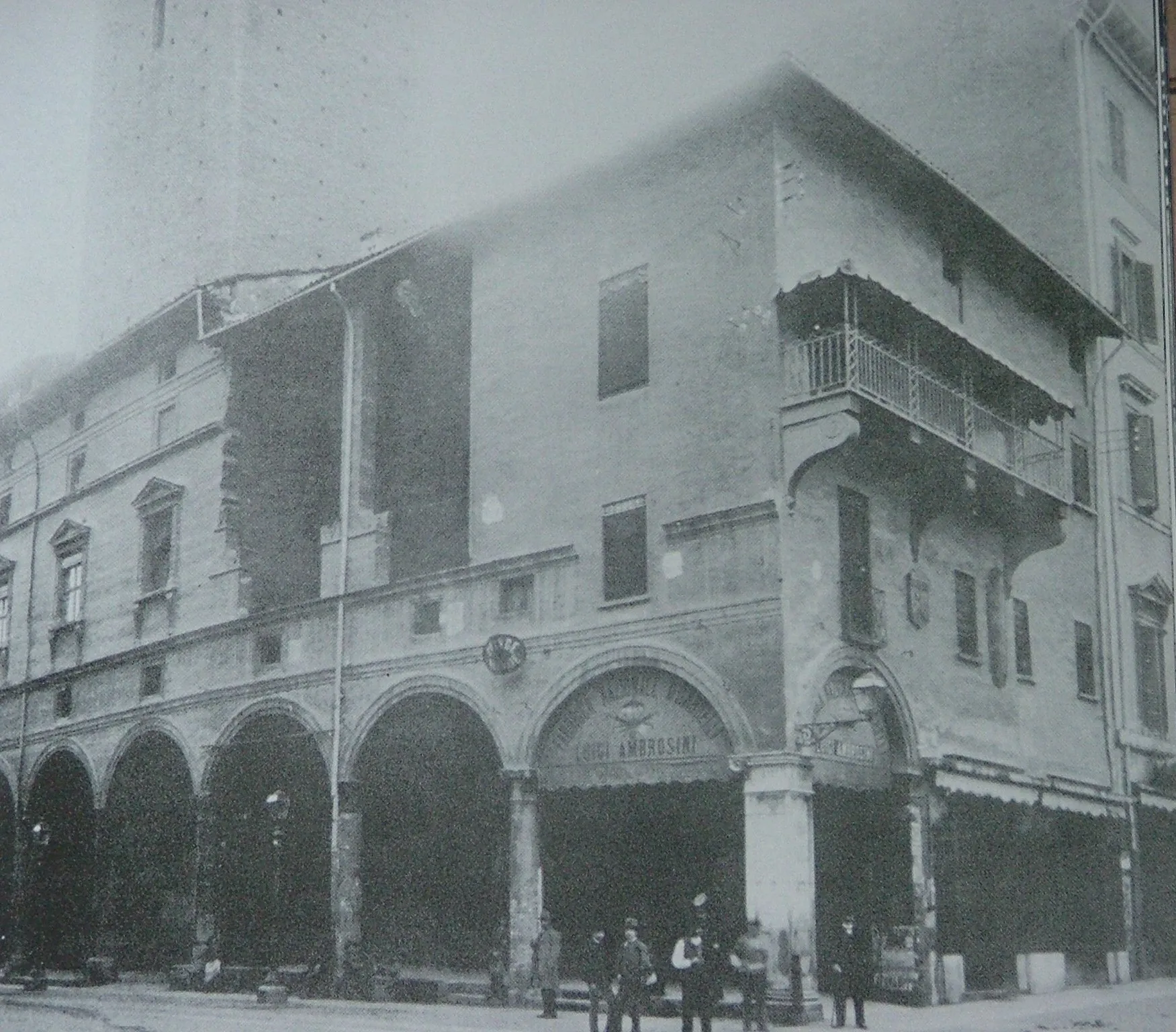
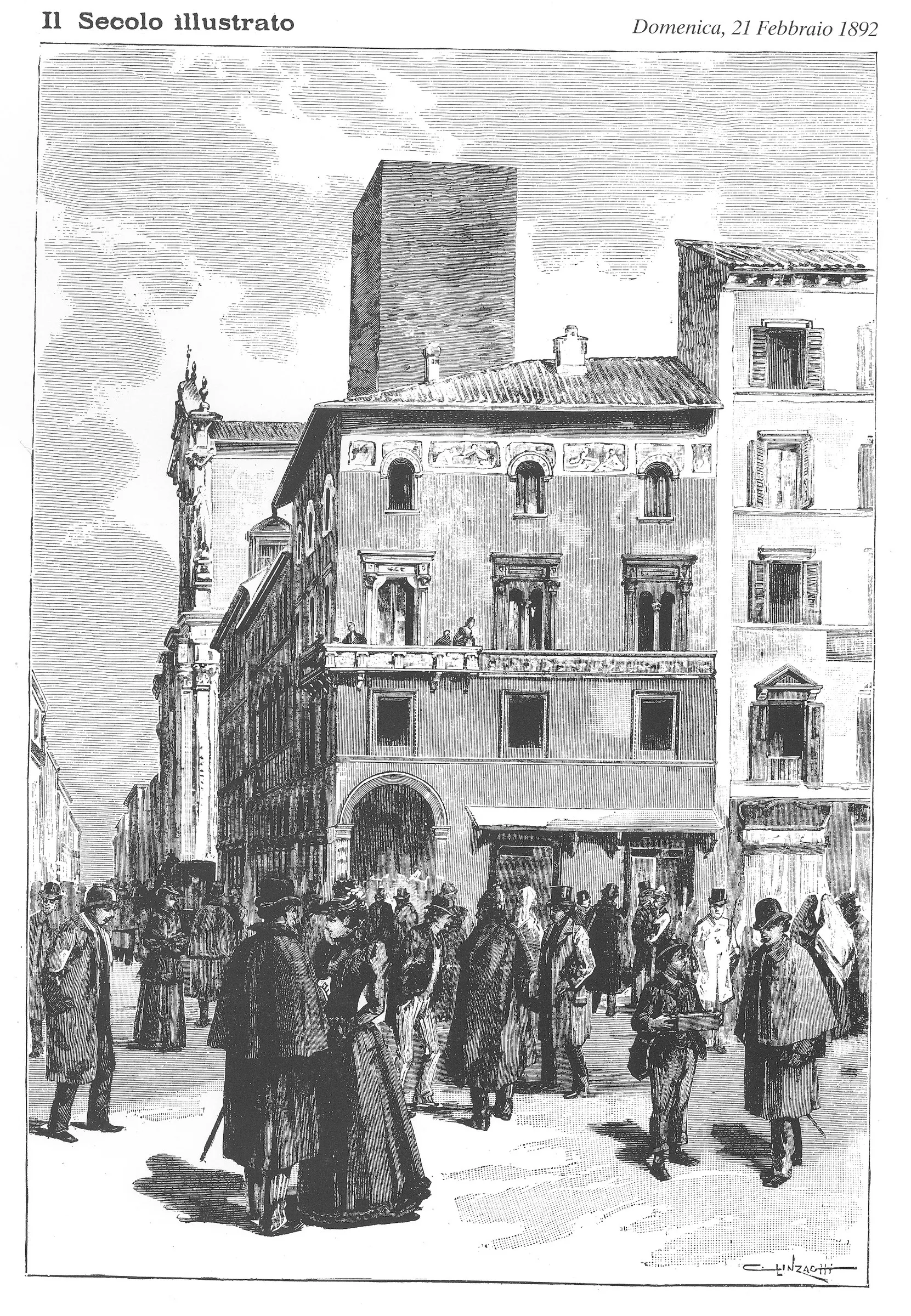
Plate V–VI.The corner house before its remodelling, and Casa Stagni just completed, in Il Secolo illustrato of 21 February 1892.
Three mottoes remain beneath the portico of Casa Stagni
- Panis vitabread is life
- Vinum laetitiawine is joy
- Canabis protectiohemp is protection
Sources
- Bologna Welcome, “Canton de' Fiori”: the origin of the name, the conspiracy of 1794, the Torre degli Scappi and La Coroncina.
- University of Bologna, “Luigi Zamboni”: the uprising of 13–14 November 1794.
- Presidency of the Italian Republic, the Tricolour: the flag of the Cispadane Republic, 7 January 1797.
- Biblioteca Salaborsa, Chronology of Bologna, 1892: the restoration of Casa Stagni in Canton de' Fiori (in Italian).
- Storia e Memoria di Bologna, “Casa Stagni già Scappi” (in Italian).
- Treccani encyclopaedia, “Augusto Sezanne” (in Italian).
- Italian Ministry of Culture, listing decree for Casa Stagni, 26 August 2009.
Do you have a correction or a document to share with us? Write to us